Civilization 7 developers at Firaxis have opened up about how they choose leaders, vet controversial historical figures, and grapple with colonialism in a 4X strategy game. In a lengthy community Q&A, the studio's historians addressed whether more recent leaders are coming and how the team draws ethical lines around who appears in the long-running series.
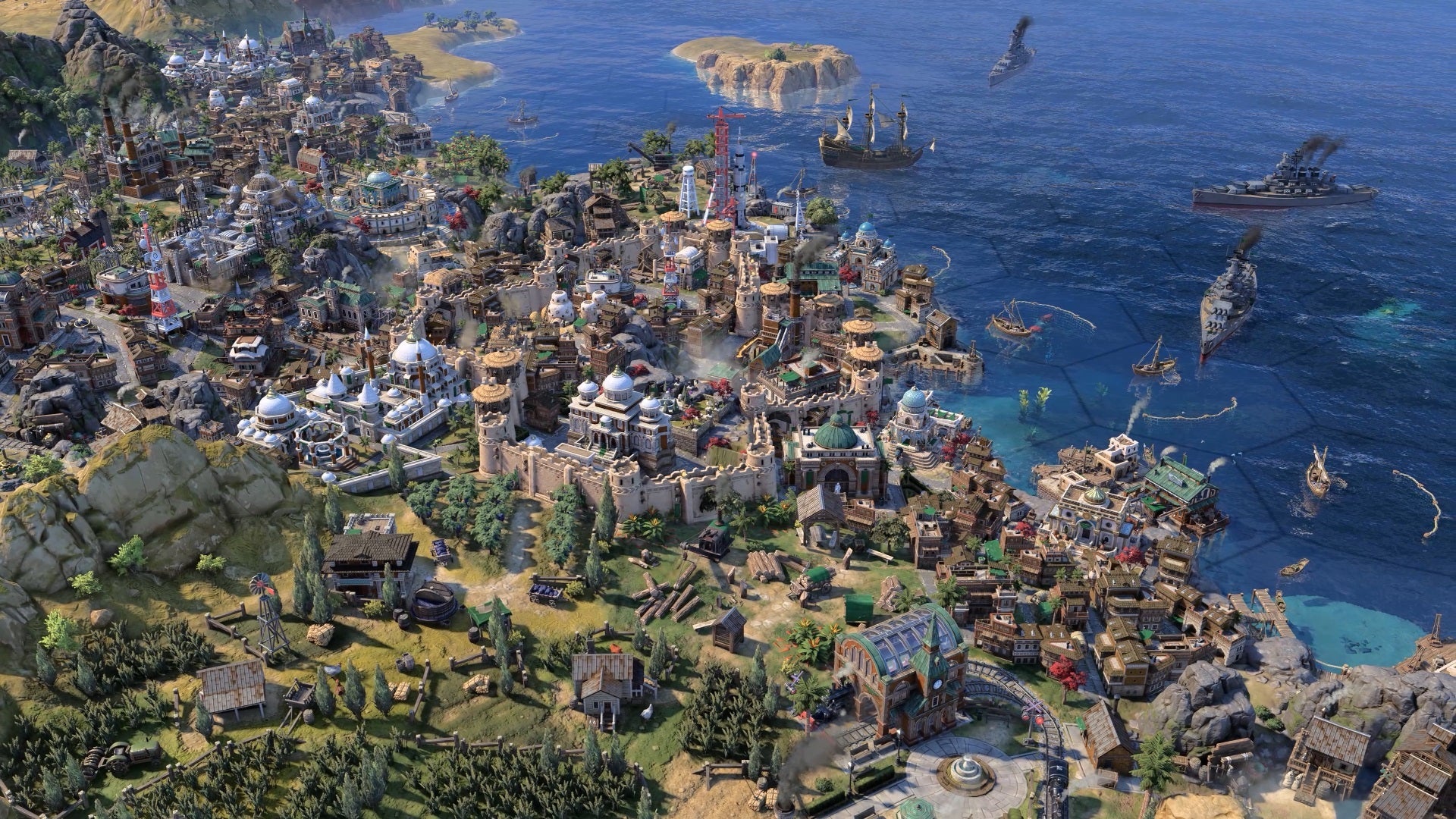
More 20th-century leaders are coming to Civilization 7
One question asked whether players can expect additional leaders from the 20th century, given the legal complications of featuring recently deceased people. The answer was a clear yes. Senior historian Emily said, "The 20th century was long, and we haven't fully explored it. Yet." That "yet" signals the roster still has room to grow into more modern history rather than staying anchored in the ancient and early-modern eras.
For more on strategy games and major releases, see our gaming coverage.
How Firaxis vets controversial historical figures
Senior historian Andrew described the rule of thumb the team uses to decide whether a figure belongs in the game: "Does the memory of this person still cause harm? Are there movements in this person's name that actively hurt people today?" He pointed to Genghis Khan as an example of a violent historical figure who, in his words, is not currently invoked "as a pretext for violence today," while noting that other figures who fail that test are deliberately left out.
The test is notable because it focuses less on how brutal a leader was in their own era and more on the living legacy attached to their name. By that logic, a conqueror centuries removed from present-day politics can appear, while a more recent figure whose name still fuels active harm would not.
The colonialism problem in 4X design
Andrew also tackled the tension around presenting colonial expansion through gameplay. Building a genuinely anti-colonial 4X experience, he explained, would mean inventing entirely new systems:
- Replacing gold, expansion, profit, and exploitation with prestige, coexistence, and sustainability.
- Designing "whole new games based on non-exploitative worlds," a major undertaking.
- Risking a sharp departure from what a 4X player base expects.
Andrew was candid that there are "a few competing pulls, and a few limitations" at play. Reworking the systems entirely, he noted, would have been "a huge lift" and risked being "a bit too big of a shock to a player base wanting a 4X experience."
Balancing history, ethics, and gameplay
Taken together, the answers sketch how Firaxis tries to reconcile three pressures at once: historical accuracy, ethical responsibility, and the expectations of a long-running strategy franchise. The leader question shows the studio still has room to expand its roster, while the test for controversial figures, whether their memory still causes active harm, gives the team a consistent line to apply across very different eras.
The colonialism discussion is the thorniest of the three, because the genre's core loops of growth and competition are historically entangled with expansion itself. It is a genuinely difficult design question, since 4X games are frequently built on the same structures, settling land, accumulating resources, out-expanding rivals, that shaped the modern world. Acknowledging that tension openly, rather than ignoring it, is itself a notable stance from a mainstream studio.
Firaxis's answers suggest the team is weighing these critiques seriously even as it works within genre conventions, and the full Q&A is worth reading for anyone interested in how historical games are made. For more developer insight and updates, follow our latest gaming news.
Civilization 7 questions, answered
Will Civilization 7 add more modern leaders?
Yes. A senior historian confirmed more 20th-century leaders are planned, saying the century was long and the team hasn't "fully explored it. Yet."
How does Firaxis decide which controversial figures to include?
The team asks whether a person's memory still causes harm or fuels movements that hurt people today, including figures like Genghis Khan whose legacy isn't currently used as a pretext for violence, and excluding those who fail that test.
Why is colonialism hard to handle in a 4X game?
Because the genre's core loops of expansion, profit, and competition are historically tied to colonial expansion, building a truly anti-colonial 4X would require inventing entirely new systems, which the studio called a huge lift and a shock to player expectations.